Phone:
(701)814-6992
Physical address:
6296 Donnelly Plaza
Ratkeville, Bahamas.

Phone:
(701)814-6992
Physical address:
6296 Donnelly Plaza
Ratkeville, Bahamas.

Are you tired of complicated shipping rules that eat into your profits? If your online store ships products of different weights, using a flat shipping rate just doesn’t cut it.
That’s where a Woocommerce Plugin for Weight Based Shipping comes in. It helps you set shipping costs based exactly on your product weights, making your pricing fair and your customers happy. You’ll discover how this simple tool can save you time, reduce errors, and boost your sales.
Ready to make shipping one less thing to worry about? Keep reading.
The WooCommerce Plugin for Weight Based Shipping offers a simple way to set shipping fees based on product weight. This method helps store owners charge fair shipping rates that match the actual cost of delivery. Weight-based shipping benefits both sellers and buyers by creating a transparent and efficient shipping process. It avoids overcharging customers and prevents losses due to undercharging. Using weight as the key factor in shipping costs makes pricing clear and easy to manage. Below are some important benefits of weight-based shipping for your online store.
Weight-based shipping ensures that shipping fees align closely with the real cost of sending a package. It calculates shipping charges based on the total weight of items in the cart. This system avoids flat rates that might be too low or too high for some orders.
Key points about accurate shipping costs:
Here is a simple example of how weight-based shipping costs can be set:
| Weight Range (kg) | Shipping Cost ($) |
|---|---|
| 0 – 1 | 5 |
| 1.01 – 5 | 10 |
| 5.01 – 10 | 15 |
| 10.01 and above | 25 |
Such clear steps help avoid confusion and keep shipping fees fair for every order.
Customers appreciate fair and transparent shipping charges. Weight-based shipping creates trust by charging only for the actual shipping weight. It removes surprise fees during checkout that often cause cart abandonment.
Ways weight-based shipping improves customer satisfaction:
Happy customers are more likely to return and recommend the store. This creates a positive shopping experience that builds loyalty.
Weight-based shipping helps store owners protect their profits by matching shipping fees to actual costs. It avoids losing money on heavy packages and prevents overcharging on light ones.
Benefits for profit margins include:
For example, setting a shipping fee based on weight brackets allows you to:
Using weight-based shipping keeps your pricing balanced and your business sustainable.

Credit: www.pluginhive.com
The WooCommerce Plugin for Weight Based Shipping simplifies managing shipping costs based on product weight. Choosing the right plugin requires understanding its key features. These features help set precise shipping rules, match store needs, and improve customer experience. Below are essential features that ensure smooth shipping management and accurate cost calculation.
Flexible weight rules allow setting different shipping rates based on weight ranges. This feature is vital for stores selling items of varied sizes and weights. It enables defining cost brackets for light, medium, and heavy packages.
Look for plugins that support:
Here’s an example table showing weight ranges and rates:
| Weight Range | Shipping Cost |
|---|---|
| 0 – 1 kg | $5 |
| 1.01 – 5 kg | $10 |
| 5.01 – 10 kg | $20 |
| Above 10 kg | $30 + $2 per extra kg |
Such flexibility helps match shipping fees to actual costs, reducing losses or overcharging customers.
A good weight-based shipping plugin must seamlessly integrate with WooCommerce. This ensures smooth data flow and easy setup. The plugin should work well with WooCommerce’s shipping settings, checkout, and order management.
Key points to check:
Here is an example of simple code snippet to add weight-based shipping method in WooCommerce:
add_filter('woocommerce_shipping_methods', 'add_weight_based_shipping_method'); function add_weight_based_shipping_method($methods) { $methods['weight_based_shipping'] = 'WC_Weight_Based_Shipping_Method'; return $methods; }This kind of integration makes the plugin reliable and easy to maintain.
Shipping zones let stores set different shipping rules for different areas. A plugin with support for multiple shipping zones helps tailor costs based on location.
Benefits include:
Check if the plugin allows:
Example table showing shipping costs by zone and weight:
| Zone | Weight Range | Shipping Cost |
|---|---|---|
| Local | 0 – 5 kg | $8 |
| Local | 5.01 – 10 kg | $15 |
| International | 0 – 5 kg | $25 |
| International | 5.01 – 10 kg | $45 |
This feature ensures the store charges fair shipping fees for all customers worldwide.
Weight-based shipping is a popular method to calculate shipping costs in WooCommerce stores. It helps sellers charge customers based on the total weight of their orders. This method ensures fair pricing and can reduce shipping losses. Choosing the right WooCommerce weight-based shipping plugin makes this process easy and efficient. Several plugins offer different features and pricing plans to suit various business needs.
Plugin A is a straightforward Woocommerce Plugin for Weight Based Shipping. It allows store owners to set shipping rates based on weight ranges. The plugin supports multiple shipping zones and methods, making it flexible for different locations.
Pricing for Plugin A is simple:
| Plan | Price | Support | Updates |
|---|---|---|---|
| Single Site | $29/year | Email support | One year |
| Five Sites | $79/year | Priority support | One year |
This plugin fits small to medium stores that need basic weight-based shipping rules. The interface is user-friendly, so no coding is required. Plugin A also updates regularly to keep compatibility with WooCommerce versions.
Plugin B offers advanced features for weight-based shipping. It supports complex shipping rules based on weight, destination, and product type. This flexibility helps larger stores create precise shipping costs.
Plugin B uses a tiered pricing system:
| Plan | Price | Support | Updates |
|---|---|---|---|
| Basic | $49/year | Email support | One year |
| Pro | $99/year | Priority support + phone | One year |
| Agency | $199/year | 24/7 support | One year |
Plugin B suits stores with complex shipping needs and larger product catalogs. It requires some setup time but offers detailed control. The plugin integrates well with other WooCommerce extensions.
Plugin C focuses on simplicity and speed. It provides essential weight-based shipping features with an easy interface. Store owners can create weight brackets and assign shipping costs quickly.
The pricing for Plugin C is straightforward:
| License | Price | Support | Updates |
|---|---|---|---|
| Single Site | $25 one-time | Email support | Six months |
| Unlimited Sites | $75 one-time | Priority email support | One year |
This plugin works well for small businesses or new stores. Its simple design helps users save time on setup. Plugin C does not overload the site, keeping performance high.

Credit: kinsta.com
Setting up weight-based shipping in WooCommerce helps you charge customers based on their order weight. This method suits stores selling items with varying sizes and weights. It ensures fair shipping costs and avoids losses from undercharging. The process involves installing the right plugin, creating weight rules, and testing calculations. Each step is simple and improves your store’s shipping accuracy.
Start by installing a WooCommerce plugin that supports weight-based shipping. Many plugins are available in the WordPress repository or from third-party developers. Choose one with good reviews and regular updates to ensure compatibility and security.
Follow these steps to install the plugin:
Once activated, the plugin adds new shipping options to WooCommerce. Check for any setup wizards or instructions the plugin offers to simplify configuration.
Below is a quick checklist for installation:
| Step | Action | Result |
|---|---|---|
| 1 | Search Plugin | Find weight-based shipping plugin |
| 2 | Install Plugin | Download and add to your site |
| 3 | Activate Plugin | Enable features for use |
After installation, configure rules to set shipping costs by order weight. Weight rules tell WooCommerce how to calculate shipping fees based on product weights in the cart.
Open WooCommerce > Settings > Shipping > Weight Based Shipping. Here, add rules with conditions and prices. Common elements include:
Example configuration:
| Weight Range (kg) | Shipping Cost ($) | Notes |
|---|---|---|
| 0 – 5 | 10 | Standard small packages |
| 5.01 – 10 | 15 | Medium weight items |
| 10.01 and above | 25 | Heavy packages |
Save the settings. Add multiple rules for different shipping zones if needed. Clear instructions help avoid confusion and wrong charges.
Testing ensures your weight-based shipping works correctly before customers see it. Test with different products and cart weights to verify charges.
Steps to test:
You can create test orders to simulate real buying scenarios. Use simple tables to track test cases:
| Test Case | Cart Weight (kg) | Expected Shipping Cost ($) | Actual Shipping Cost ($) | Pass/Fail |
|---|---|---|---|---|
| Small Order | 3 | 10 | 10 | Pass |
| Medium Order | 7 | 15 | 15 | Pass |
| Heavy Order | 12 | 25 | 20 | Fail |
Fix any errors by reviewing weight ranges and shipping fees. Repeat tests until all cases pass. Correct shipping costs build customer trust and reduce complaints.
The WooCommerce Plugin for Weight Based Shipping simplifies setting shipping rates by product weight. Still, several common challenges arise during setup and use. These challenges can affect shipping accuracy, costs, and customer satisfaction. Addressing these issues ensures smooth shipping management and better store performance. Below are key challenges and practical solutions to help store owners optimize their shipping process.
Variable products have different weights for each variation, such as sizes or colors. This can cause confusion in calculating shipping costs accurately. The plugin must read each variation’s weight, not just the parent product’s weight.
Challenges:
Solutions:
Here is a simple example of how to set variation weights correctly:
| Variation | Weight (kg) |
|---|---|
| Small | 0.5 |
| Medium | 1.0 |
| Large | 1.5 |
Always test orders with multiple variations to confirm the shipping cost updates correctly. This approach prevents surprises at checkout and improves customer trust.
International shipping adds complexity due to different countries’ rules and rates. The plugin must handle weight-based shipping while considering zones, currencies, and customs fees.
Challenges:
Solutions:
Example of setting up zones and rates:
| Zone | Weight Range (kg) | Shipping Cost (USD) |
|---|---|---|
| Europe | 0 – 2 | 15 |
| Europe | 2 – 5 | 25 |
| Asia | 0 – 2 | 20 |
| Asia | 2 – 5 | 35 |
Test international shipping at checkout to verify rates and zones apply correctly. Keep shipping rules simple to avoid errors and customer frustration.
Offering discounts affects shipping cost calculations. Some customers expect shipping to be cheaper or free after applying discounts, which can cause confusion.
Challenges:
Solutions:
Example of a shipping discount rule:
if ( order_total_after_discount >= 50 ) { shipping_cost = 0; // Free shipping for orders $50 and above after discount } else { shipping_cost = calculate_weight_based_shipping(order_weight); }Communicate clearly about shipping policies during checkout. Transparency reduces customer confusion and support questions.
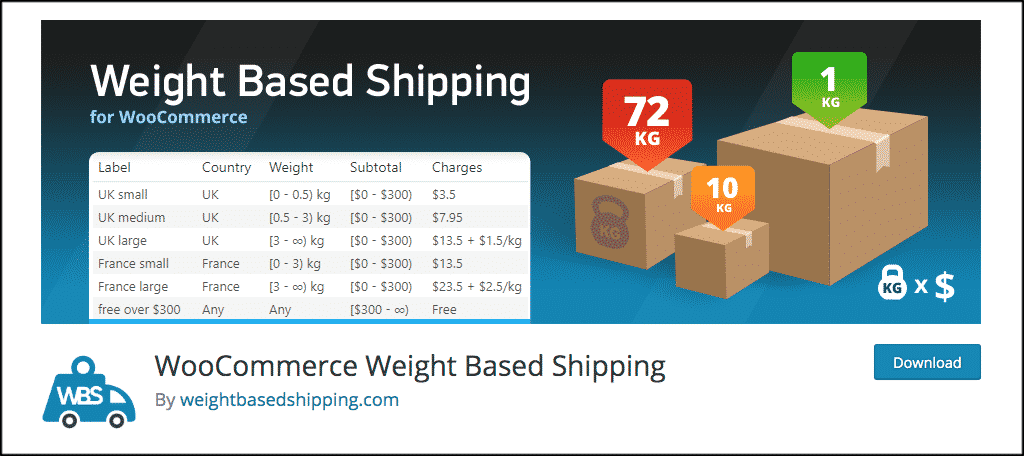
Credit: www.greengeeks.com
Optimizing shipping costs is crucial for any online store using the WooCommerce Plugin for Weight Based Shipping. Shipping fees affect both customer satisfaction and profit margins. Efficient shipping strategies help reduce unnecessary expenses and keep customers happy. This section shares practical tips to optimize shipping costs by managing weight ranges, combining weight with other factors, and regularly reviewing shipping settings.
You must read: Woocommerce Plugin for Preorder Products
Weight ranges are the core of weight-based shipping. Setting clear, precise weight brackets helps calculate shipping fees accurately. Avoid very small or very large ranges. Balanced weight ranges create a fair pricing system.
Follow these tips for effective weight ranges:
Here is a sample table showing weight ranges and corresponding shipping fees:
| Weight Range (kg) | Shipping Cost ($) |
|---|---|
| 0 – 1 | 5 |
| 1.01 – 3 | 8 |
| 3.01 – 5 | 12 |
| 5.01 – 10 | 20 |
Review and adjust these ranges regularly based on sales data and customer feedback. This approach prevents overcharging or undercharging shipping fees.
Weight alone is not always enough to set accurate shipping costs. Combining weight with other factors improves precision and fairness. Factors like destination, delivery speed, and product dimensions influence shipping fees.
Consider these combinations:
Example of combined shipping rules:
| Weight (kg) | Destination | Shipping Cost ($) |
|---|---|---|
| 0 – 2 | Local | 5 |
| 0 – 2 | International | 15 |
| 2.01 – 5 | Local | 10 |
| 2.01 – 5 | International | 25 |
Use the WooCommerce plugin’s settings to apply multiple conditions easily. This method ensures customers pay fair shipping fees based on real costs.
Shipping costs and business needs change over time. Regularly reviewing shipping settings keeps fees accurate and competitive. Set a schedule to check and update your shipping rules.
Key points for reviewing shipping settings:
Example code snippet to reset shipping cache for accurate updates:
function refresh_shipping_cache() { WC()->shipping()->reset_shipping(); } add_action('woocommerce_update_options_shipping', 'refresh_shipping_cache');Regular review minimizes errors and improves the customer experience. It also protects your profits from unnecessary shipping cost losses.
A WooCommerce plugin for weight based shipping calculates shipping costs by product weight. It helps store owners charge accurate shipping fees.
The plugin checks the total weight of items in the cart. Then, it applies shipping rates based on weight ranges set by the store owner.
Yes, you can define multiple weight ranges with different shipping prices. This allows flexible and fair shipping costs for customers.
Most weight based shipping plugins support international shipping zones. You can set different rates for local and global deliveries.
Many plugins let you set shipping costs based on both weight and location. This helps calculate precise fees for each order.
Yes, installation is simple via WooCommerce or WordPress plugin directory. Setup usually requires adding weight ranges and prices only.
Yes, it supports products with different weights, like size or color options. The plugin totals the cart weight before charging.
You can set free shipping rules based on minimum or maximum weight. This encourages customers to buy more or less.
Weight based shipping plugins are lightweight and optimized. They do not cause significant slowdown when configured correctly.
Yes, other methods include flat rate, shipping by price, or by item count. Weight based shipping is best for heavy goods.
Choosing the right Woocommerce Plugin for Weight Based Shipping saves time and effort. It helps set clear shipping costs based on product weight. This keeps your store fair and easy for customers. You can manage different weights and zones without hassle.
Simple setup and control make shipping smoother. This plugin fits stores of all sizes. Shipping charges stay accurate and transparent. Your customers will appreciate clear pricing. Try it to improve your WooCommerce store’s shipping process today.