Phone:
(701)814-6992
Physical address:
6296 Donnelly Plaza
Ratkeville, Bahamas.

Phone:
(701)814-6992
Physical address:
6296 Donnelly Plaza
Ratkeville, Bahamas.
Finding the right products quickly can make or break your customers’ shopping experience. If your online store feels like a maze, visitors might leave without buying.
That’s where the best WooCommerce plugin for product filters comes in. It helps your customers narrow down choices with ease, making their journey smooth and enjoyable. You’ll discover top plugins that can boost your sales by turning browsing into buying.
Ready to make your store more user-friendly and profitable? Keep reading to find the perfect filter solution for your WooCommerce site.
Adding product filters to a WooCommerce store helps customers find items faster. Filters improve the shopping experience and boost sales. Choosing the right filter plugin is key to creating easy navigation. Here is a list of the top WooCommerce filter plugins that work well for any online shop.
WOOF is a popular plugin that lets customers filter products by categories, price, attributes, and tags. It offers many filter types like checkboxes, dropdowns, and radio buttons. The plugin is easy to set up and works on all themes.
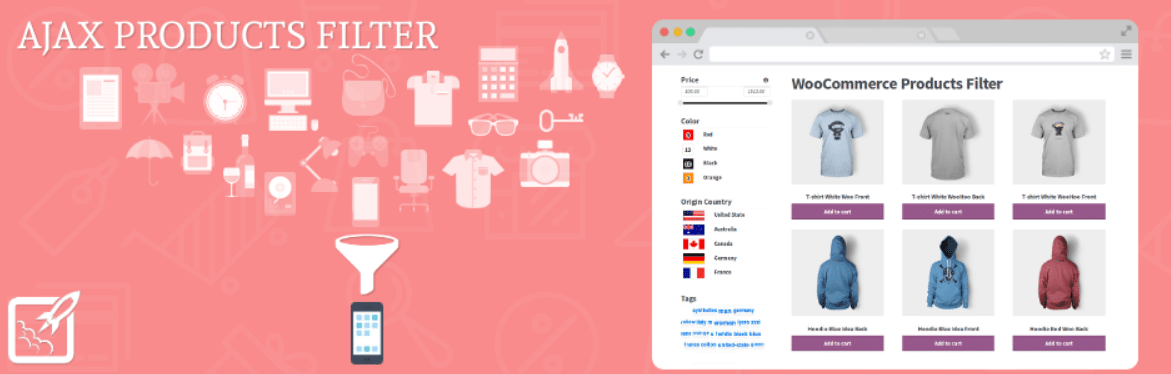
This plugin adds fast AJAX filters to WooCommerce shops. Customers can filter without page reloads. It supports color filters, price sliders, and labels. The design is clean and easy to use.
FacetWP creates advanced filters for WooCommerce. It handles large shops well and updates results instantly. Filters include checkboxes, dropdowns, date ranges, and search boxes. The plugin integrates smoothly with custom fields.
JetSmartFilters offers many filter options with a modern look. It supports AJAX filtering and works with Elementor page builder. Filters include range sliders, checkboxes, and radio buttons.
This plugin provides a flexible way to add filters to WooCommerce stores. It supports multiple filter types and layouts. The user interface is simple and friendly.
| Feature | Description |
|---|---|
| Filter Types | Checkboxes, dropdowns, radio buttons, price slider |
| Layouts | Horizontal, vertical, and dropdown layouts |
| Customization | Custom colors, fonts, and styles |
Choosing the best WooCommerce plugin for product filters requires careful thought. Key features to consider ensure the plugin fits your store’s needs and improves the shopping experience. Filters help customers find products quickly and easily. The right plugin balances flexibility, speed, and ease of use. Below are the main features to focus on when selecting a product filter plugin.
You must Read: Woocommerce Plugin for Product Customization Free
Different filter types let customers narrow down products in many ways. A good plugin offers a variety of filter types to cover your product range. Common filter types include:
Some plugins also support advanced filter types like stock status, sale items, or custom taxonomies. Multiple filter types help customers find exactly what they want without frustration.
| Filter Type | Description | Use Case |
|---|---|---|
| Price Range | Select products within a price limit. | Helps budget-conscious buyers. |
| Attributes | Filter by color, size, brand, etc. | Useful for fashion, electronics, and more. |
| Categories | Choose product categories or subcategories. | Organizes large product catalogs. |
| Ratings | Filter products by customer reviews. | Builds trust and improves choices. |
The user interface (UI) of a filter plugin affects how easy it is to use. A clean and simple UI helps customers find filters without confusion. Important UI aspects include:
A good UI reduces shopping time and frustration. It guides customers smoothly through the buying process. Some plugins provide drag-and-drop filter builders, making setup easier for store owners.
Performance is critical for any WooCommerce plugin, especially product filters. Slow filters cause poor user experience and can lower sales. Key points include:
Plugins with heavy scripts or poor coding can harm site speed. Test performance before finalizing a plugin. Fast filters keep customers engaged and improve SEO rankings.
Customization allows the filter plugin to match your store’s style and needs. Look for plugins that offer:
Flexibility in customization helps create a seamless brand experience. Some plugins also allow custom CSS or provide hooks for developers. This makes it easy to tailor filters exactly as needed.
Choosing the best WooCommerce plugin for product filters means deciding between free and premium options. Both types help customers find products quickly. Free plugins offer basic filtering features that suit small stores or beginners. Premium plugins provide advanced tools and customization for larger stores or specific needs. Understanding the differences helps store owners pick the right plugin for their business and budget.
Free WooCommerce filter plugins usually cover basic needs. They let customers filter by price, categories, and tags. These plugins work well for simple product lists but may lack advanced filters.
Premium plugins offer more powerful features. They include filters for attributes, ratings, stock status, and custom taxonomies. Many premium plugins support AJAX filtering. This means the page updates instantly without reloading.
| Feature | Free Plugin | Premium Plugin |
|---|---|---|
| Price Filtering | ✔ Basic slider | ✔ Advanced slider with range input |
| Attribute Filtering | Limited or none | ✔ Full support with multiple options |
| AJAX Filtering | ✘ Usually not supported | ✔ Yes, for fast updates |
| Customization | Basic styles | ✔ Extensive styling and layout control |
Free plugins often come with limited support. Users rely mostly on community forums or documentation. Updates may be less frequent. This can cause compatibility issues with new WooCommerce or WordPress versions.
Premium plugins provide dedicated support teams. They respond quickly to questions and issues. Regular updates keep the plugin compatible and secure. Premium users often get access to tutorials and priority bug fixes.
Good support and updates ensure the filter plugin works smoothly over time. This reduces downtime and technical problems for store owners.
You must Read: Woocommerce Plugin for Tax Calculation
Free plugins save money upfront. They are ideal for new stores or limited budgets. However, missing features might limit store growth or customer experience.
Premium plugins require an initial payment or yearly subscription. This cost covers advanced features and support. The investment can lead to more sales. Customers find products faster and easier.
| Aspect | Free Plugin | Premium Plugin |
|---|---|---|
| Initial Cost | Free | $30 – $100+ (one-time or yearly) |
| Features | Basic | Advanced and customizable |
| Support | Community only | Professional support included |
| Long-term Value | Limited growth | Improved UX and sales potential |
Choosing between free and premium depends on budget and store needs. Free plugins fit small, simple stores. Premium plugins suit larger stores that need better filtering and support.
Choosing the best WooCommerce plugin for product filters means ensuring it works well with your site’s design and tools. Compatibility and integration play a key role in making filters run smoothly. A plugin that fits your theme, supports other plugins, and works on all devices will improve user experience and sales. This section covers these important areas to help you pick the right filter plugin.
A product filter plugin must match your WooCommerce theme without breaking the site’s look or function. Many themes have different styles and coding methods. A good filter plugin should adapt easily and keep your site fast and clean.
Key points about theme compatibility:
| Theme Type | Plugin Compatibility | Notes |
|---|---|---|
| Free Themes | High | Most popular plugins work well |
| Premium Themes | Very High | Better support and integration |
| Custom Themes | Varies | Check plugin demo or test before use |
Testing a plugin on a staging site helps avoid surprises. A compatible plugin keeps your shop professional and easy to use.
WooCommerce stores often use many plugins for SEO, payments, shipping, and more. A product filter plugin must work well with these tools to avoid conflicts and errors.
Important aspects of third-party plugin support:
| Plugin Category | Example Plugins | Compatibility Notes |
|---|---|---|
| Page Builders | Elementor, WPBakery | Filters should be easy to add in builder layouts |
| SEO Plugins | Yoast, Rank Math | Filters must not block search indexing |
| Caching Plugins | W3 Total Cache, WP Rocket | Filters should work with cached pages |
Choosing a plugin with broad third-party support reduces technical problems and saves time on troubleshooting.
Mobile shopping grows every year. A WooCommerce filter plugin must work perfectly on phones and tablets. Mobile-friendly filters improve user satisfaction and sales.
Key features for mobile responsiveness:
Test plugins on multiple devices. Look for:
Mobile-ready product filters enhance the shopping experience and reduce bounce rates. Choose plugins designed with responsive design best practices.
Choosing the best product filter plugin for WooCommerce improves shopping experience and boosts sales. Many plugins offer unique features. Comparing popular options helps find the right fit for your store. Below are detailed looks at four well-known plugins. Each offers different filter types, customization levels, and ease of use.
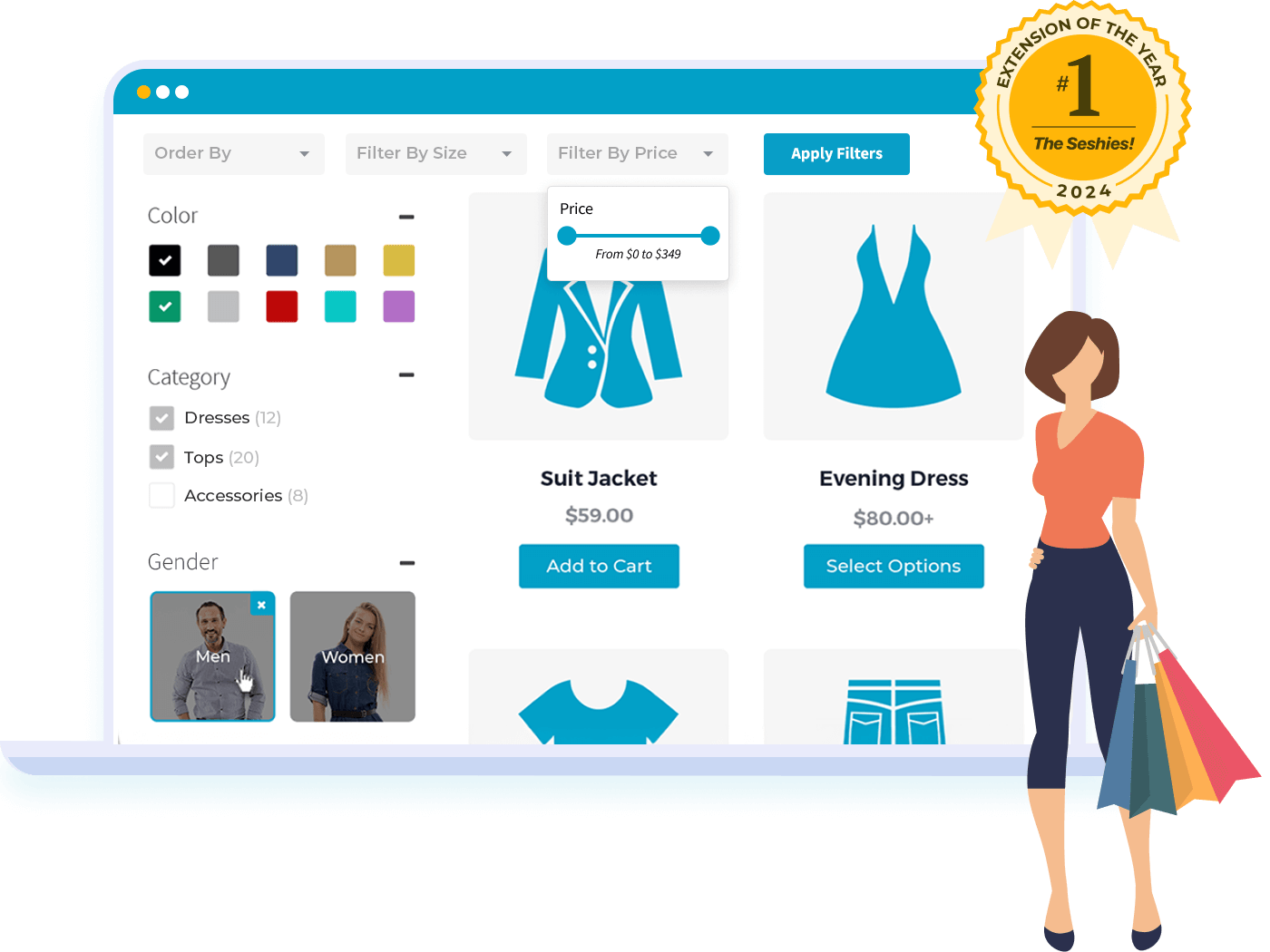
Filter Everything is a flexible plugin that lets customers filter products by many criteria. It supports filtering by categories, tags, attributes, price, and custom taxonomies. This plugin works well for stores with large inventories.
Key features include:
The interface is user-friendly. Store owners can set filters easily using drag-and-drop. The plugin also supports SEO-friendly URLs, helping products rank better.
| Feature | Description |
|---|---|
| Filter Types | Checkbox, dropdown, slider, radio buttons |
| Ajax Support | Yes, for smooth filtering experience |
| Customization | High, with drag-and-drop editor |
| SEO Friendly | Yes, with clean URLs |
Filter Everything suits stores needing flexible and fast filtering. It works well for both small and large product catalogs.
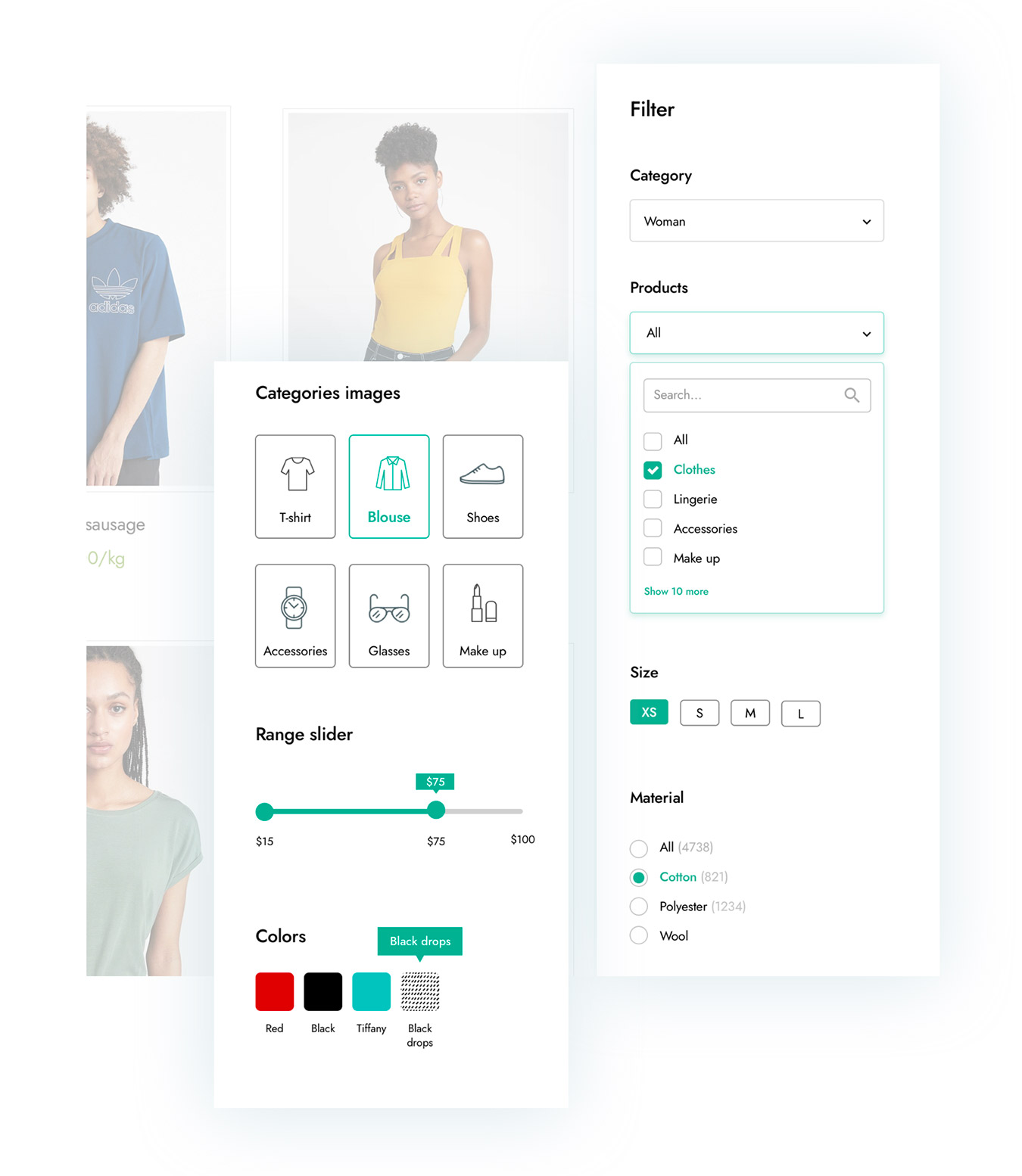
YITH WooCommerce Ajax Product Filter is a popular choice for easy and quick product filtering. It uses Ajax to update products without refreshing the page. This keeps the shopping experience smooth and fast.
Highlights include:
The plugin offers good visual styles and filter layouts. It is beginner-friendly, requiring little technical knowledge. The free version covers basic needs, while the premium version adds advanced filters and styles.
| Aspect | Details |
|---|---|
| Ajax Filtering | Yes, no page reload |
| Filter Types | Color, size, price, tags, attributes |
| Customization | Moderate, widget-based |
| Multilingual Support | Yes |
This plugin is ideal for stores wanting simple filter setup with Ajax speed benefits. It fits well for beginners and small to medium shops.
WooCommerce Product Filter by WooBeWoo offers advanced filtering with many options. It supports filtering by attributes, taxonomies, price, tags, and custom fields. The plugin is designed for flexibility and detailed filtering control.
Main features are:
The plugin integrates well with popular WooCommerce themes and page builders. It also supports shortcode usage for placing filters anywhere on the site.
| Feature | Description |
|---|---|
| Filter Options | Attributes, price, stock, SKU, rating |
| Ease of Use | Drag-and-drop builder |
| Ajax Support | Yes |
| Shortcode Support | Yes |
This plugin suits stores needing detailed and varied filtering options. It is perfect for larger shops with complex product ranges.
WOOF – WooCommerce Products Filter is a versatile plugin with many filter types. It offers filtering by categories, attributes, taxonomies, price, and product tags. It also supports custom filters and search.
Key benefits include:
WOOF provides extensive customization options. Developers can use hooks and filters for deeper control. The plugin supports SEO-friendly URLs and caching compatibility.
| Feature | Details |
|---|---|
| Filter Types | Category, attribute, taxonomy, price, tags |
| Ajax Support | Yes |
| Customization | High, with developer hooks |
| Multilingual Support | WPML compatible |
WOOF is a good choice for stores needing a flexible and powerful filter plugin. It works well for developers and store owners wanting custom solutions.
Credit: barn2.com
Improving user experience is essential for any online store. The best WooCommerce plugin for product filters helps shoppers find items quickly. Clear, fast filters keep visitors happy and encourage them to buy. A smooth filter system reduces frustration and makes browsing simple. This section covers key ways to enhance user experience with product filters.
Fast-loading filters are crucial. Slow filters cause visitors to leave your site. Optimizing speed improves satisfaction and sales.
Here is a quick comparison of techniques for speed optimization:
| Technique | Benefit | Consideration |
|---|---|---|
| Ajax Loading | Faster updates without page reload | Requires JavaScript support |
| Filter Limiting | Reduces server load | May hide some filter options |
| Caching | Speeds up repeat queries | Needs cache management |
Optimizing speed makes filters more usable and keeps visitors on the site longer.
Good layout helps users find filters easily. Clear design avoids confusion and improves browsing.
Follow these best practices for filter layout:
Here is an example layout structure:
[Filter Panel] - Category - Price Range - Color - Size - Brand [Product Grid] Simple layouts with clear structure help users find products faster and reduce mistakes.
Accessible filters ensure all users can shop easily. This includes people with disabilities or those using assistive devices.
Key accessibility tips for product filters:
Example of ARIA attributes for a filter checkbox:
Accessible filters make your store usable for everyone, increasing customer reach and satisfaction.
Choosing the best WooCommerce plugin for product filters improves your customer’s shopping experience. Proper installation and setup are essential for smooth performance. This section guides through easy steps to install and configure the plugin correctly. It also shares tips on fixing common issues and boosting filter features.
Start by installing the plugin from the WordPress dashboard. Go to Plugins > Add New, search the plugin name, then click Install Now and Activate. After activation, access the plugin settings under WooCommerce > Product Filters.
Set up the main filter options carefully:
Use the table below to track your basic settings:
| Setting | Option | Notes |
|---|---|---|
| Filter Type | Checkboxes | Good for multiple selections |
| Filter Criteria | Color, Size | Most common product attributes |
| Display Location | Sidebar | Easy for users to find |
| Default Sorting | Price: Low to High | Helps customers see affordable options first |
Save settings and test filters on the front end. Adjust as needed to match your store style.
Filters may not work correctly at first. Common problems include filters not showing, slow loading, or wrong product results. Follow these tips to solve issues:
Use this troubleshooting checklist:
If problems persist, contact plugin support with detailed error information. Include screenshots and steps to reproduce the issue.
Improve your product filters to boost user experience and sales. Add advanced features like:
Consider these tips to enhance filters:
| Feature | Benefit | Implementation |
|---|---|---|
| Ajax Filtering | Faster user experience | Enable in plugin settings under “Ajax Options” |
| Multiple Filters | More precise product search | Allow multi-select in filter types |
| Custom Labels | Clearer for customers | Edit labels in filter setup page |
| Custom Fields | Filter unique product info | Add custom fields via WooCommerce and select in filters |
Test each enhancement to ensure compatibility with your theme and plugins. Regular updates maintain filter performance and security.
Credit: yithemes.com
Credit: kinsta.com
The best WooCommerce product filter plugin offers easy use and fast search. It helps customers find products by categories, price, or features quickly.
Product filters let buyers narrow down choices fast. This improves user experience and helps increase sales on your store.
Most top WooCommerce filter plugins work well with popular themes. Always check plugin compatibility before installing it on your site.
Yes, many product filter plugins have simple setup processes. They often use drag-and-drop tools and clear instructions for quick use.
Good WooCommerce filter plugins allow filtering by custom attributes. This means you can tailor filters to your unique product features.
Well-coded product filter plugins load quickly without slowing your site. Poorly made filters can cause delays and hurt user experience.
Product filters help customers find products faster, leading to more purchases. Easy navigation often results in higher conversion rates.
Yes, several free plugins offer basic filtering options. For advanced features, premium versions or paid plugins are usually needed.
Common filters include categories, price ranges, colors, sizes, and ratings. Some plugins also support filters by tags and custom fields.
Choosing the right WooCommerce product filter plugin helps customers find items fast. Good filters improve shopping experience and boost sales. Focus on plugins that fit your store’s needs and budget. Easy setup and clear options save time and effort. Test a few plugins before deciding.
The best filter makes your store simple and friendly. Keep your site organized and your customers happy. Small changes can bring big results.