Phone:
(701)814-6992
Physical address:
6296 Donnelly Plaza
Ratkeville, Bahamas.

Phone:
(701)814-6992
Physical address:
6296 Donnelly Plaza
Ratkeville, Bahamas.
Are you looking to make your online store stand out by giving your customers the power to personalize products? Imagine offering your buyers an easy way to customize items exactly how they want—without spending a dime on expensive tools.
A free WooCommerce plugin for product customization can help you do just that. You’ll discover how to add simple, powerful customization features to your store that boost sales and keep customers coming back. Ready to transform your WooCommerce shop and watch your business grow?
Keep reading to find the perfect free plugin for your needs.
Woocommerce Plugin for Product Customization Free allows online store owners to offer personalized products without extra cost. This feature lets customers modify products to fit their needs and preferences. The benefits of product customization go beyond just offering choices. It improves the shopping experience, increases sales, and lowers product returns. Understanding these benefits helps store owners decide to add customization options to their WooCommerce shops.
Product customization creates a more engaging and interactive shopping experience. Customers feel involved in designing their products, which builds a stronger connection to the brand. Personalization makes shopping fun and unique.
These points reduce confusion and increase satisfaction. Customers return because they know they get exactly what they want. The plugin’s easy interface helps users quickly create their custom product. This simplicity improves trust and encourages more purchases.
Offering product customization can raise sales and grow customer loyalty. Personalized products often carry higher perceived value. Customers are willing to pay a bit more for items made just for them.
Benefits include:
Store owners gain loyal clients by providing a tailored shopping experience. The plugin supports upselling by suggesting related customization features. This feature encourages shoppers to explore and add more to their cart.
| Benefit | Effect on Store |
|---|---|
| Customizable Options | Increases product appeal and sales |
| Personalized Experience | Builds trust and customer loyalty |
| Upselling Features | Boosts average order value |
Product customization lowers the chance of returns and complaints. Customers design products to match their needs exactly. This clarity helps avoid misunderstandings about product features.
Clear communication through customization minimizes buyer’s remorse. This leads to fewer refund requests and less negative feedback. For store owners, this means less time spent handling returns and more focus on growing the business.

Credit: www.youtube.com
Finding the right WooCommerce plugin for product customization free can boost your online store’s appeal. Many free plugins help customers personalize products easily. These tools improve user experience without extra cost. Below is a list of top free WooCommerce plugins that offer strong customization features. Each has unique strengths to fit different store needs.
Free WooCommerce product customization plugins vary in features. Some focus on simple text or image uploads. Others allow complex options like color pickers or conditional logic. Understanding each plugin’s features helps pick the best fit.
| Plugin Name | Customization Options | File Upload Support | Conditional Logic | Price |
|---|---|---|---|---|
| Fancy Product Designer | Text, images, clipart | Yes | No | Free (Basic) |
| WooCommerce Customizer | Text fields, dropdowns | No | No | Free |
| Product Add-Ons by WooCommerce | Text, checkboxes, radio buttons | Yes | Yes | Free (Limited) |
| WPForms (with WooCommerce) | Custom forms, file uploads | Yes | Yes | Free (Basic) |
Most plugins include basic text and image customization. Advanced features like conditional logic appear in some free versions but may be limited. File upload support is important for custom designs. Check if the plugin fits your product type and customer needs.
User feedback shows how well plugins perform in real stores. Ratings reflect ease of use, reliability, and support. Reading reviews helps avoid plugins with common issues.
Most plugins have 4+ star ratings on official WordPress directories. Pay attention to recent reviews. They reveal current plugin performance after updates. Look for comments about compatibility and support responsiveness.
Regular updates keep plugins secure and compatible with WooCommerce and WordPress. Free plugins may update less often but check their last update date. Compatibility ensures smooth store operation.
Use the WordPress plugin repository to verify update history. Plugins with active developers respond quickly to issues. Avoid plugins not updated for over a year. Compatibility problems cause errors or slow your site.
A WooCommerce plugin for product customization free offers online store owners a way to let customers personalize items easily. Choosing the right plugin means focusing on features that improve user experience and boost sales. Key features to look for help identify plugins that are flexible, simple, and work well with WooCommerce. These features make customization smooth for both store owners and buyers.
The best product customization plugins provide a variety of options to meet different needs. They allow customers to change product elements like colors, text, images, and sizes. Wide customization options help attract more buyers by letting them create unique products.
Some plugins also support live previews, showing customers how the final product looks. This feature reduces confusion and returns.
| Customization Feature | Benefit |
|---|---|
| Text Fields | Personalize products with names or messages |
| Color Picker | Choose custom colors easily |
| Image Upload | Add logos or photos |
| Dropdown Menus | Pick predefined options |
A plugin must be easy to use for both store owners and customers. Store owners need simple settings to add and manage customization options quickly. Customers should find the customization process clear and fast.
For store owners:
For customers:
Easy-to-use plugins reduce cart abandonment and increase customer satisfaction. Good plugins offer support and documentation to solve common issues quickly.
Seamless integration with WooCommerce is crucial for a free product customization plugin. It ensures all custom options work well with WooCommerce’s product pages, cart, and checkout process.
Important integration features include:
Good integration prevents conflicts with other plugins and keeps the store stable. It also helps maintain smooth checkout and inventory management.
Setting up a WooCommerce Plugin for Product Customization Free is a simple process that allows store owners to offer personalized products. This setup helps improve customer experience by letting buyers add custom options like text, colors, or images. The process includes installing the plugin, configuring its settings, and adding customization fields to your products. Each step is important for making the plugin work smoothly and effectively.
Start by installing the free WooCommerce product customization plugin from the WordPress plugin repository. Follow these steps to install it:
Once activated, the plugin will appear in your dashboard menu, usually under WooCommerce or its own section. It may also add new options for product customization.
The table below shows a quick view of the installation process:
| Step | Action | Expected Result |
|---|---|---|
| 1 | Search Plugin | Plugin appears in search results |
| 2 | Install Plugin | Plugin files download and install |
| 3 | Activate Plugin | Plugin ready for use |
Make sure your WooCommerce and WordPress versions are up to date to avoid compatibility issues.
After installation, configure the plugin to match your store’s needs. Begin by accessing the plugin’s settings page in your dashboard.
Important configuration options often include:
Configuration steps:
Here is a simple checklist for the basic configuration:
| Configuration Item | Purpose | Example Setting |
|---|---|---|
| Enable customization | Activate plugin features | On |
| Apply to categories | Select products for customization | Clothing, Accessories |
| Form position | Choose where form shows | Below product description |
Keep settings simple at first. You can always return and adjust them later.
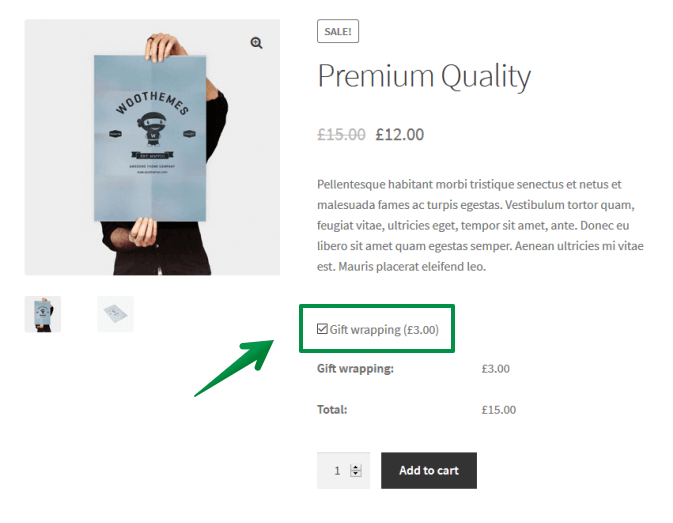
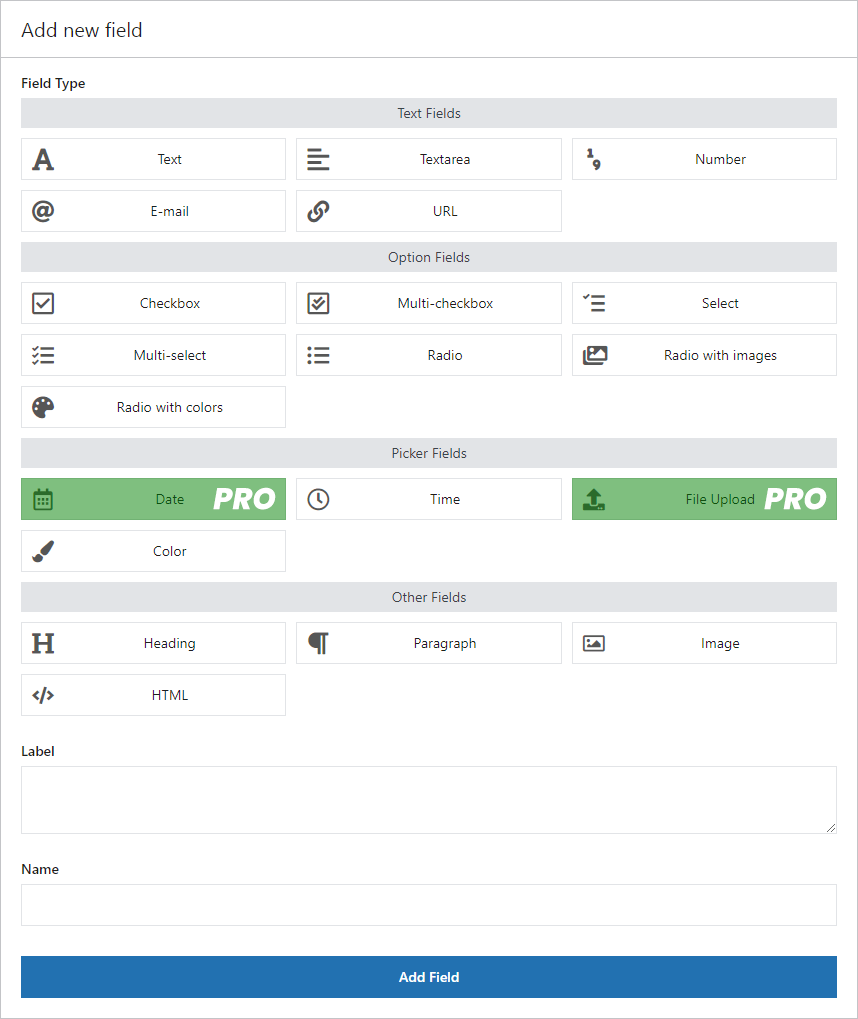
Adding customization fields lets customers personalize products easily. These fields can be text boxes, dropdowns, checkboxes, or image uploads.
Follow these steps to add fields:
Common customization fields include:
Example of a simple text input field in HTML syntax used by some plugins:
Test the fields by viewing the product page as a customer. Make sure fields appear and work correctly before launching your store.
Customizing products using the WooCommerce Plugin for Product Customization Free helps create unique shopping experiences. Effective customization improves customer satisfaction and boosts sales. Focusing on the right methods ensures your custom product pages look good and work well. Follow these tips to make your product customization clear, fast, and user-friendly.
Good design makes customization simple and enjoyable. Keep the layout clean and organized. Use clear labels for each customization option. Avoid cluttering the page with too many choices at once. Group related options together to help users understand them easily.
Here is a simple table for design tips:
| Design Aspect | Tip |
|---|---|
| Layout | Keep it clean and organized |
| Colors & Fonts | Use consistent styles |
| Customization Steps | Limit and group options logically |
| Interactivity | Show live previews and clear labels |
| User Help | Use tooltips and clear instructions |
Many users shop on mobile devices. The customization plugin must work well on phones and tablets. Make sure all elements fit small screens without zooming or horizontal scrolling. Buttons and dropdowns should be easy to tap.
Use flexible grid layouts and scalable images. Test customization features on multiple devices and browsers. Mobile-friendly design improves user experience and reduces cart abandonment.
Mobile responsiveness checklist:
| Feature | Requirement |
|---|---|
| Layout | Adjusts to screen size without scrolling |
| Controls | Touch-friendly and easy to use |
| Forms | Short and simple input fields |
| Images | Compressed and fast loading |
| Testing | Works on popular mobile devices |
Fast loading speeds keep customers engaged. Slow pages cause frustration and lost sales. Optimize your WooCommerce customization plugin to run smoothly. Minimize the number of scripts and styles loaded on each page.
Use caching and content delivery networks (CDNs) to serve files quickly. Compress images and use modern formats like WebP. Avoid large files or too many customization options that slow down the site.
Performance tips summary:
| Optimization Area | Action |
|---|---|
| Scripts & Styles | Minify and reduce files |
| Caching | Enable browser and server caching |
| Images | Compress and lazy load |
| Database | Optimize queries and clean data |
| Monitoring | Use performance testing tools |
Credit: wpdesk.net
The WooCommerce plugin for product customization free is a useful tool for online stores. It lets customers personalize products easily. Despite its benefits, some common issues may appear during use. These problems can affect the shopping experience and sales. Understanding these issues and their fixes helps keep the plugin running smoothly. Below are typical problems and simple solutions to resolve them quickly.
Plugin conflicts happen when two or more plugins do not work well together. This can cause errors or stop the customization features from working. Most conflicts occur because plugins use the same scripts or functions.
Common signs of plugin conflicts:
How to fix plugin conflicts:
| Issue | Possible Cause | Fix |
|---|---|---|
| Customization options missing | Script conflicts with other plugin | Disable other plugins one by one |
| Page loading errors | Outdated plugin or theme | Update all software |
| Save errors on customization | Plugin compatibility issue | Contact support for help |
Sometimes, product customization options do not show on the product page. This issue frustrates customers and stops sales. Several reasons cause this problem.
Common causes:
Steps to fix customization not showing:
Use this checklist to ensure customization displays correctly:
| Checkpoint | Action |
|---|---|
| Plugin activation | Verify plugin is active and updated |
| Product settings | Enable customization for each product |
| Cache clearing | Clear browser and website cache |
| Theme conflict | Test on default WooCommerce theme |
Checkout problems can occur after adding customized products to the cart. These problems stop customers from completing purchases, causing lost sales.
Common checkout issues:
Solutions for checkout problems:
Example code snippet to enable WooCommerce debug mode in wp-config.php:
define( 'WP_DEBUG', true ); define( 'WP_DEBUG_LOG', true ); define( 'WP_DEBUG_DISPLAY', false );This code logs errors to wp-content/debug.log without showing them to customers.
The WooCommerce Plugin for Product Customization Free offers a solid base for creating unique products on your online store. Extending the plugin’s functionality helps you tailor the customization features to fit your exact needs. This approach improves user experience and boosts sales by making products more appealing and interactive.
Add-ons are extra tools that enhance the core plugin. They add new features without complex coding. Many free and paid add-ons exist to improve product customization options.
Using add-ons is simple. Most install like regular plugins and integrate seamlessly with WooCommerce. They save time and reduce errors compared to manual coding.
| Add-on Feature | Benefit | Typical Use |
|---|---|---|
| Extra Fields | More customization options | Custom text on products |
| Image Upload | Customer personalization | Photo printing on items |
| Conditional Logic | Cleaner product forms | Show options based on choices |
| Price Adjustment | Dynamic pricing | Extra cost for special features |
Custom code snippets let you add unique features not available in add-ons. A small piece of PHP, JavaScript, or CSS code can change how the plugin works.
This method suits stores with specific needs or developers comfortable with coding. It allows complete control over customization functions.
Example PHP snippet to add a custom text field:
add_action('woocommerce_before_add_to_cart_button', 'custom_text_field'); function custom_text_field() { echo ''; echo ''; }Use custom snippets carefully. Test on a staging site first to avoid breaking your store.
Premium versions offer advanced features not found in free plugins. They save time and offer professional support.
Benefits include:
| Feature | Free Version | Premium Version |
|---|---|---|
| Number of Custom Fields | Limited | Unlimited |
| File Upload | Not Available | Available |
| Conditional Logic | Basic | Advanced |
| Support | Community | Priority |
Investing in premium versions can improve your store’s professionalism and customer satisfaction.
Credit: wpdesk.net
A WooCommerce plugin lets customers change product features before buying. It adds options like color, size, and text to products. This helps stores offer more personalized shopping.
Yes, several free plugins offer basic product customization features. They are good for small stores or simple customization needs. Paid versions add more advanced options.
They let buyers create products they like, increasing satisfaction. Personalized products often lead to more orders and fewer returns. This can help your store grow.
Most free plugins install with just a few clicks via the WordPress dashboard. No coding skills are needed for basic setup. Many come with simple guides or tutorials.
Many free plugins allow customers to add text or upload images. This helps users design unique products like t-shirts or mugs. Some plugins have limits on file size or types.
Yes, most free plugins work on all WooCommerce products in your store. You can enable customization options for many items at once. This saves time managing your store.
Most free plugins are designed to work well on phones and tablets. Mobile-friendly design is important as many customers shop on mobile. Always test your store on different devices.
Free versions may limit the number of customization fields or options. Some lack advanced features like conditional logic or price adjustments. Paid plugins unlock more tools and flexibility.
Choosing a free WooCommerce plugin for product customization helps your store stand out. It allows customers to personalize items easily. This creates a better shopping experience and can increase sales. Many plugins offer simple tools that anyone can use. Start with one that fits your needs and budget.
Keep your site user-friendly and updated. Customization adds value without extra cost. Your store can grow by giving buyers what they want. Try a free plugin today and see the difference.