Phone:
(701)814-6992
Physical address:
6296 Donnelly Plaza
Ratkeville, Bahamas.

Phone:
(701)814-6992
Physical address:
6296 Donnelly Plaza
Ratkeville, Bahamas.
Are you looking to turn your WooCommerce store into a thriving marketplace with multiple vendors? Imagine giving your customers more choices while letting other sellers grow their businesses on your site.
A Woocommerce Plugin for Multi Vendor Support can make this happen easily. It helps you manage vendors, track sales, and boost your store’s revenue—all from one place. Keep reading to discover how this powerful tool can transform your online store and bring new opportunities for you and your sellers.
Using a Woocommerce Plugin for Multi Vendor Support brings many benefits to online stores. It allows several sellers to offer products on one platform, creating a marketplace. This setup helps store owners save time and grow their business without managing all products themselves. Multi-vendor plugins improve sales, simplify management, and create a better experience for customers and sellers alike.
Multi-vendor plugins increase sales by attracting more sellers and products to your store. More products mean more choices for buyers, which can lead to higher sales volume. Each vendor brings their own audience, expanding your store’s reach and attracting new customers.
Benefits include:
| Feature | Benefit for Sales |
|---|---|
| Multiple Vendors | More products and offers attract diverse customers |
| Vendor Promotions | Boosts store traffic through vendor-led marketing |
| Product Variety | Increases chances of customer purchase |
Overall, Woocommerce Plugin for Multi Vendor Support turns your WooCommerce store into a large marketplace. This broadens your customer base and drives more sales.
Multi-vendor plugins make store management easier by sharing tasks with vendors. Store owners do not need to add or update every product. Vendors manage their own listings, stock, and orders. This reduces the workload on the main store administrator.
Key advantages include:
This setup allows the store owner to focus on growth and marketing, while vendors handle daily sales operations.
| Management Task | Handled By |
|---|---|
| Product Upload | Vendor |
| Inventory Updates | Vendor |
| Order Processing | Vendor |
| Commission Payments | Automated by Plugin |
With these features, multi-vendor plugins save time and reduce errors in store management.
Multi-vendor plugins improve the shopping experience by offering variety and convenience. Customers find many products and sellers in one place, making it easier to compare and choose.
Benefits for buyers:
Better experience leads to more satisfied customers and repeat sales. Woocommerce Plugin for Multi Vendor Support often include features like:
These features create a seamless shopping journey, increasing customer trust and loyalty.
Woocommerce Plugin for Multi Vendor Support help create online marketplaces where many sellers can offer products under one platform. These plugins add essential features like vendor management, commission control, and product approval. Picking the right plugin affects how smoothly your marketplace runs. The top WooCommerce multi vendor plugins provide strong tools and easy setups. They also support vendor dashboards, payment options, and shipping controls. Here is a look at four popular choices to consider for your store.
Dokan is one of the most popular Woocommerce Plugin for Multi Vendor Support. It offers a user-friendly interface for both vendors and store owners. Vendors get their own dashboard to manage products, orders, and earnings. The plugin supports multiple payment gateways and flexible commission types.
Key features of Dokan:
Here is a quick comparison of Dokan’s free and pro versions:
| Feature | Free Version | Pro Version |
|---|---|---|
| Vendor Dashboard | Basic | Advanced with more controls |
| Payment Gateways | Limited | Multiple options including Stripe, PayPal |
| Commission Types | Fixed rate | Advanced and flexible commissions |
| Product Types | Simple products only | All product types including subscriptions |
Dokan works well for marketplaces of all sizes. It helps vendors work independently while store owners keep control. The plugin also offers many add-ons to extend functionality.
You must Read: Woocommerce Plugin for Gift Cards
WC Vendors is a solid choice for creating a multi vendor WooCommerce marketplace. It focuses on ease of use and strong vendor management tools. The plugin allows store owners to set different commission rates and control vendor capabilities.
Main highlights of WC Vendors:
WC Vendors comes in two versions: free and pro. The pro version adds features like:
This plugin is great for marketplaces that want simple setup and solid control over vendors. It works well with most WooCommerce themes and extensions.
WCFM Marketplace is a powerful multi vendor plugin with many features designed for flexibility. It offers a detailed vendor dashboard with many tools to manage products, orders, and shipping.
Important features of WCFM Marketplace:
WCFM Marketplace includes add-ons to extend features, such as:
The plugin is designed for marketplaces that need detailed control and many options. It works well with complex WooCommerce setups and large vendor numbers.
MultiVendorX (formerly WC Marketplace) offers a comprehensive solution for WooCommerce multi vendor stores. It focuses on ease of use and vendor autonomy. Vendors get a complete dashboard to handle their own products and sales.
Features of MultiVendorX:
MultiVendorX supports vendor subscription plans and vendor-specific shipping. The plugin also offers tools for store owners to monitor vendor performance and sales statistics.
This plugin suits marketplaces that want flexibility with commissions and vendor independence. It integrates smoothly with WooCommerce and other popular plugins.
The WooCommerce plugin for multi-vendor support helps you build an online marketplace with many sellers. Choosing the right plugin means looking for features that make managing vendors, payments, shipping, and reports easy. Key features to look for include tools that simplify vendor management, flexible commission and payment options, customizable shipping and tax settings, and clear reporting and analytics. These features help run your marketplace smoothly and keep both vendors and customers happy.
Vendor management is the heart of any multi-vendor marketplace. A good WooCommerce plugin offers tools to handle vendors efficiently. It allows you to:
Look for features that support bulk product uploads and product approval workflows. This saves time and keeps product quality high.
| Feature | Benefit |
|---|---|
| Vendor Registration | Easy signup and approval process |
| Dashboard Access | Vendors manage products and orders independently |
| Role Management | Control vendor permissions and access |
| Notifications | Keep vendors informed about important updates |
Strong vendor management tools reduce your workload and improve vendor satisfaction.
Handling payments and commissions is critical for a multi-vendor store. The plugin must offer flexible options to set how vendors earn money.
Common commission types include:
Choose a plugin that supports multiple commission structures to fit different vendor needs.
Payment options are just as important. The plugin should:
Here is a simple example of a commission setup:
Commission Settings: - Vendor A: 10% per sale - Vendor B: $5 per sale + 5% - Vendor C: 15% per sale Clear commission and payment features build trust with vendors and keep the marketplace running smoothly.
Shipping and taxes can be complex in a multi-vendor setup. A good WooCommerce plugin helps manage these easily for all vendors.
Key shipping features include:
Tax settings should be flexible to handle different tax rules for vendors in various locations. Look for:
| Shipping Feature | Purpose |
|---|---|
| Vendor-specific Shipping | Vendors control their shipping costs and methods |
| Shipping Zones | Charge different rates by location |
| Carrier Integration | Show real-time shipping prices and tracking |
| Tax Calculation | Automatically calculate taxes per region |
These settings reduce confusion and make checkout simple for buyers and vendors.
Good reporting helps marketplace owners and vendors track sales and performance. The plugin should offer easy-to-understand reports.
Look for reports showing:
Some plugins include dashboards with visual charts and graphs. This makes data easier to read and analyze.
Example report types:
Reports help make smart decisions about marketing, vendor support, and product offerings. They also improve transparency for vendors.

Credit: elextensions.com
Setting up a multi vendor store using the WooCommerce plugin creates a powerful marketplace where multiple sellers can showcase and sell their products. This setup allows store owners to manage vendors efficiently and offer customers a wide variety of items in one place. The process requires careful installation, role configuration, storefront customization, and product management to ensure a smooth and user-friendly experience for vendors and buyers alike.
Start by installing a reliable multi vendor plugin compatible with WooCommerce. Popular options include Dokan, WC Vendors, and WCFM Marketplace. Follow these steps to install the plugin:
After activation, the plugin adds new menus and settings to your dashboard. You might need to enter a license key or configure basic settings before use.
| Step | Description |
|---|---|
| 1 | Download and activate the multi vendor plugin. |
| 2 | Configure plugin settings like commission rates and vendor registration. |
| 3 | Set up payment methods for vendors. |
Note: Always back up your website before installing new plugins to avoid data loss.
Assigning correct roles to vendors is essential for store security and management. WooCommerce and multi vendor plugins use custom roles to control what vendors can access in the dashboard.
Steps to configure vendor roles:
The table below shows common vendor permissions:
| Permission | Description |
|---|---|
| Product Management | Create, edit, and delete own products. |
| Order Management | View and process orders related to their products. |
| Profile Editing | Update vendor profile and store information. |
Check your plugin’s documentation for detailed role settings. Correct roles prevent unauthorized access and keep your marketplace secure.
A clean and attractive storefront helps vendors showcase their products effectively. Multi vendor plugins often include vendor-specific storefronts or store pages.
Customize storefronts with these options:
Use the WordPress Customizer or the plugin’s settings page to adjust these elements. Keep the design simple and easy to navigate.
Sample storefront customization features:
| Feature | Benefit |
|---|---|
| Custom Store URL | Easy access and sharing for customers. |
| Product Filters | Help customers find products quickly. |
| Store Reviews | Build trust through customer feedback. |
Efficient product management is key for a successful multi vendor store. Vendors must have tools to add, update, and organize their products easily.
Common product management features include:
Here is a checklist for managing vendor products:
Use the plugin’s product management interface for a smooth workflow. Clear guidelines for vendors help maintain quality and consistency.
Managing a multi-vendor store with WooCommerce brings unique challenges. These challenges affect both vendors and site owners. Understanding common issues helps create smoother operations. This section covers key problems and practical solutions. Clear strategies improve user experience, trust, and sales. Focus areas include dispute handling, payment security, and site performance. Each one is critical to a healthy marketplace environment.
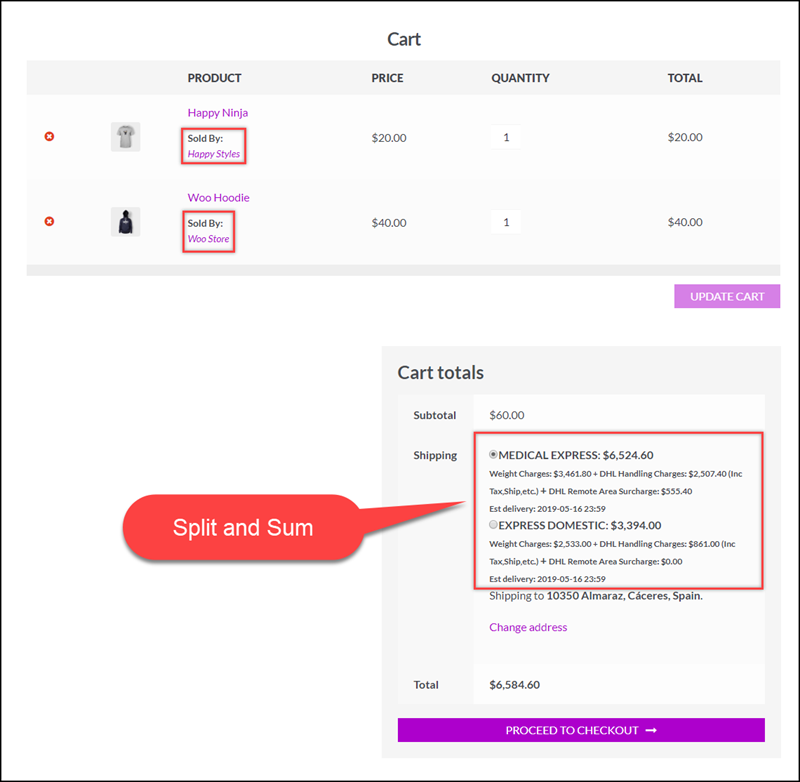
Disputes between buyers and vendors can arise from product quality, delivery delays, or misunderstandings. Quick resolution is vital to maintain trust and reduce negative reviews. WooCommerce multi-vendor plugins often include tools to simplify dispute management.
Organizing the dispute process helps avoid chaos. Here is a simple flow that many stores follow:
| Step | Action | Responsible |
|---|---|---|
| 1 | Buyer contacts vendor with issue | Buyer and Vendor |
| 2 | Open dispute ticket if unresolved | Buyer |
| 3 | Vendor responds with solution | Vendor |
| 4 | Admin reviews and decides | Site Owner/Admin |
| 5 | Issue resolved or escalated | All Parties |
Following a structured approach reduces confusion. It also builds confidence in your marketplace’s fairness.
Multi-vendor stores handle many transactions daily. Protecting these payments is critical to avoid fraud and losses. WooCommerce plugins support popular, secure payment gateways to safeguard money flow.
Key payment security measures include:
Below is an overview of common payment security features and their benefits:
| Feature | Benefit |
|---|---|
| SSL Encryption | Protects sensitive data from hackers |
| Secure Gateways | Prevents unauthorized transactions |
| 2FA | Blocks access even if passwords leak |
| Regular Updates | Fixes vulnerabilities quickly |
Adopting these steps creates a safer environment. Customers and vendors trust your marketplace more. Security should be a top priority for every multi-vendor store.
Multi-vendor stores usually have many products and visitors. This can slow down your WooCommerce site. Slow sites cause frustration and lost sales. Keeping performance high is essential.
Ways to improve site speed include:
Monitoring site performance regularly helps catch issues early. Tools like Google PageSpeed Insights or GTmetrix provide useful data.
Consider this checklist to keep your site running smoothly:
| Task | Frequency | Benefit |
|---|---|---|
| Update plugins and themes | Weekly or biweekly | Fix bugs and security issues |
| Clear cache | Daily or as needed | Ensure fresh content loads |
| Optimize database | Monthly | Remove clutter, speed queries |
| Check site speed | Monthly | Identify slowdowns early |
Strong site performance improves user experience and boosts sales. It makes your multi-vendor marketplace more competitive and reliable.
Credit: www.wcvendors.com
Growing a multi vendor marketplace using the WooCommerce plugin requires careful planning and smart actions. Success depends not only on good technology but on building strong relationships with vendors and customers. This section shares practical tips for growing your marketplace effectively. Focus areas include attracting quality vendors, applying smart marketing strategies, and offering excellent customer support. These steps help build trust, increase sales, and create a thriving online community.
Quality vendors bring value and variety to your marketplace. Their products and reputation affect your store’s success. Start by defining clear vendor requirements and benefits. Communicate these clearly on your vendor registration page.
Use a table to compare vendor packages if you offer multiple plans:
| Package | Commission Rate | Product Limit | Support Level |
|---|---|---|---|
| Basic | 10% | 50 | Email Support |
| Pro | 7% | 200 | Priority Support |
| Enterprise | 5% | Unlimited | Dedicated Manager |
Regular communication builds trust. Send newsletters with tips, updates, and vendor spotlights. This keeps vendors engaged and motivated.
Effective marketing draws buyers and vendors to your multi vendor marketplace. Use a mix of online and offline methods to reach a broader audience.
Social Media is key. Share product launches, vendor stories, and promotions. Platforms like Facebook and Instagram work well for visual products.
SEO helps your marketplace rank higher in search engines. Optimize product titles, descriptions, and metadata with relevant keywords.
Email Marketing keeps customers informed and encourages repeat purchases. Send personalized offers, new product alerts, and seasonal discounts.
Consider paid ads for quick traffic boosts. Target specific demographics and interests to get the best results.
Track your marketing efforts using tools like Google Analytics. Measure traffic sources, conversion rates, and customer behavior. Adjust campaigns based on data to improve performance.
Good customer support improves satisfaction and loyalty. Buyers and vendors need quick answers and help with issues.
Set up a clear support system. Use a ticketing system or live chat to manage requests efficiently. Respond within 24 hours to maintain trust.
Provide a detailed FAQ page to solve common problems fast. Include topics like order tracking, returns, and vendor policies.
Train your support team on both vendor and buyer needs. They should handle disputes, technical questions, and payment issues professionally.
Tips for strong customer support:
Support builds marketplace credibility. When customers and vendors feel valued, they stay longer and promote your platform to others.
Credit: elextensions.com
A Woocommerce Plugin for Multi Vendor Support lets many sellers sell products on one store. It helps manage vendors, products, and payments easily.
It adds many sellers to one website, increasing product variety. More choices attract more customers and boost sales.
Yes, vendors can add, edit, and delete their products. This saves time for the store owner.
Most plugins support automatic payments and commission splits. This ensures vendors get paid on time without manual work.
Setup is usually simple with step-by-step guides. No coding skills are needed for basic configuration.
Yes, they work with popular payment gateways like PayPal and Stripe. This offers flexibility to vendors and buyers.
Shipping can be set per vendor or product. Some plugins allow vendors to choose their own shipping rules.
Many plugins include messaging or contact features. This helps vendors and store owners solve issues quickly.
Yes, most plugins allow basic dashboard customization. This improves the user experience for vendors and admins.
Good plugins are optimized for speed and performance. Choose one with positive reviews to avoid site slowdowns.
Choosing the right WooCommerce plugin helps build a strong multi-vendor store. It keeps your site easy to use for sellers and buyers. Good plugins offer useful tools to manage products and payments smoothly. This makes your marketplace run without many problems.
A well-set multi-vendor store can grow steadily and attract many users. Start with simple features, then add more as you go. This way, you keep control and improve step by step. Your online market will become a helpful place for vendors and shoppers alike.